Major Construction Projects in Morocco
Major construction projects in Morocco are characterised by strong public support and a clear focus on long-term national strategies aimed at regional development, infrastructure modernisation and positioning the country as a hub between Africa, Europe and the Mediterranean basin.
They mainly concern major infrastructure – ports, logistics platforms, transport, public facilities, energy and water – and mobilise complex ecosystems involving public actors, local and international companies, specialised engineering firms and institutional lenders. These projects are subject to high pressure in terms of deadlines, costs and quality, particularly in the context of major international events, which is fuelling growing interest in industrialised construction, prefabrication and modular approaches.
At the same time, issues of sustainability, energy efficiency and resource management are becoming increasingly important, even if their integration often remains more technical than systemic. This context makes Morocco a particularly relevant terrain for the deployment of lean, collaborative and innovative approaches capable of strengthening the overall performance of public and private projects and inspiring models that can be replicated across Africa.
Featured Projects
 Port Tanger Med & MEDHUB Logistics Zone
Status: Operational, extensions underway (2024–2027)
Budget: Over MAD 100 billion (€9 billion)
Location: Strait of Gibraltar, between Tangier and Ksar Sghir
Port Tanger Med & MEDHUB Logistics Zone
Status: Operational, extensions underway (2024–2027)
Budget: Over MAD 100 billion (€9 billion)
Location: Strait of Gibraltar, between Tangier and Ksar Sghir
Tanger Med is now Africa's largest port hub and one of the world's most efficient container ports. It comprises several container, vehicle and bulk terminals and a vast logistics and industrial zone (MEDHUB). The complex is directly connected to a modernised motorway and rail network, making it a strategic gateway between Europe, Africa and America.
Ongoing extensions focus on increasing container capacity, improving logistics interfaces and upgrading services (digitalisation, real-time traceability, partial automation of flows).
Moroccan public players:
- Tanger Med Port Authority (TMPA) and Tanger Med Special Agency (TMSA)
- Ministry of Equipment and Water, Ministry of Transport and Logistics
- National Railways Office (ONCF) for rail connections
International port operators:
- APM Terminals (subsidiary of the Danish Maersk Group, headquartered in the Netherlands)
- Eurogate (German operator) and Contship Italia Group (Italy)
- Tanger Alliance, a consortium including Marsa Maroc (Morocco), Eurogate and Hapag-Lloyd (Germany)
Industries and groups established in the region:
International manufacturers and equipment suppliers: Renault (France), Siemens (Germany), Lear (United States), Valeo (France), Furukawa (Japan), etc.
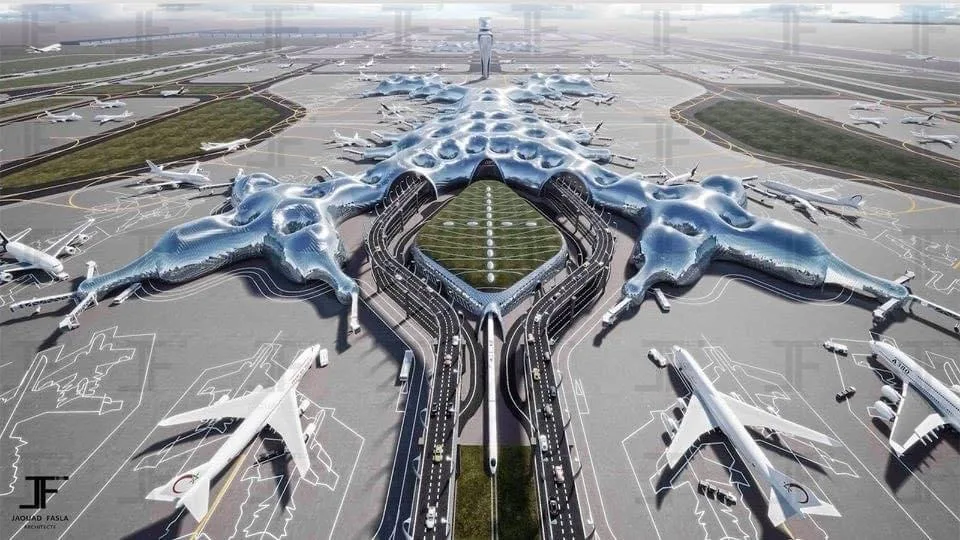 Morocco Airports 2030 – Development and Modernisation
Status: National programme in progress (2024–2030)
Budget: MAD 38 billion
Linked to: 2030 World Cup; tourism and logistics strategy
Morocco Airports 2030 – Development and Modernisation
Status: National programme in progress (2024–2030)
Budget: MAD 38 billion
Linked to: 2030 World Cup; tourism and logistics strategy
The Morocco Airports 2030 programme aims to bring Morocco's airport infrastructure up to high international standards by combining capacity, service quality, environmental sustainability and digitalisation, while boosting the country's economic and tourism appeal.
Moroccan public players:
- Office National des Aéroports (ONDA)
- Ministry of Transport and Logistics
- Ministry of Equipment and Water
- Ministry of Tourism, Handicrafts and Social & Solidarity Economy
- Moroccan and international engineering/design/construction firms; Moroccan construction companies
- Possible partnerships with European and Asian groups for airport systems, security and specialised equipment
International and institutional partners:
- International Civil Aviation Organization (ICAO) for compliance with international standards
- Technical cooperation with airport operators and equipment manufacturers in Europe and worldwide
- Coordination with bodies involved in organising the 2030 World Cup
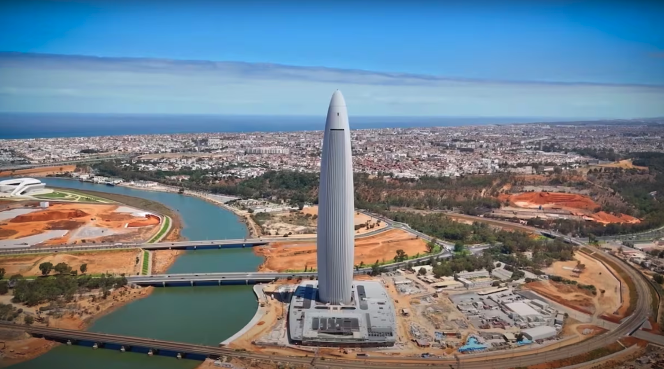 Mohammed VI Tower – Rabat/Salé
Status: Construction completed, inauguration 2025
Budget: 3.5 to 4 billion dirhams, approximately €360 million
Height: 250 m, 55 floors
Mohammed VI Tower – Rabat/Salé
Status: Construction completed, inauguration 2025
Budget: 3.5 to 4 billion dirhams, approximately €360 million
Height: 250 m, 55 floors
The Mohammed VI Tower is Morocco's tallest skyscraper, located on the right bank of the Bouregreg River between Rabat and Salé. The project combines offices, a luxury hotel, residential units and a panoramic observatory. It is aiming for HQE and LEED Gold environmental certifications, with a high-performance envelope, solar protection, integrated photovoltaic panels and natural ventilation systems.
Project owner:
O Tower, linked to the BMCE Group / Bank of Africa
Architectural design:
Rafael de la Hoz (Spanish architect) and Hakim Benjelloun (Moroccan architect)
Construction companies:
BESIX (Belgian construction and engineering group) and TGCC (Moroccan construction and civil engineering group). Highly digitised construction site, using BIM and surveying robots for tracing.
Public stakeholders:
Bouregreg Valley Development Agency, coordinating with local authorities and relevant ministries (Equipment, Urban Planning, Interior)
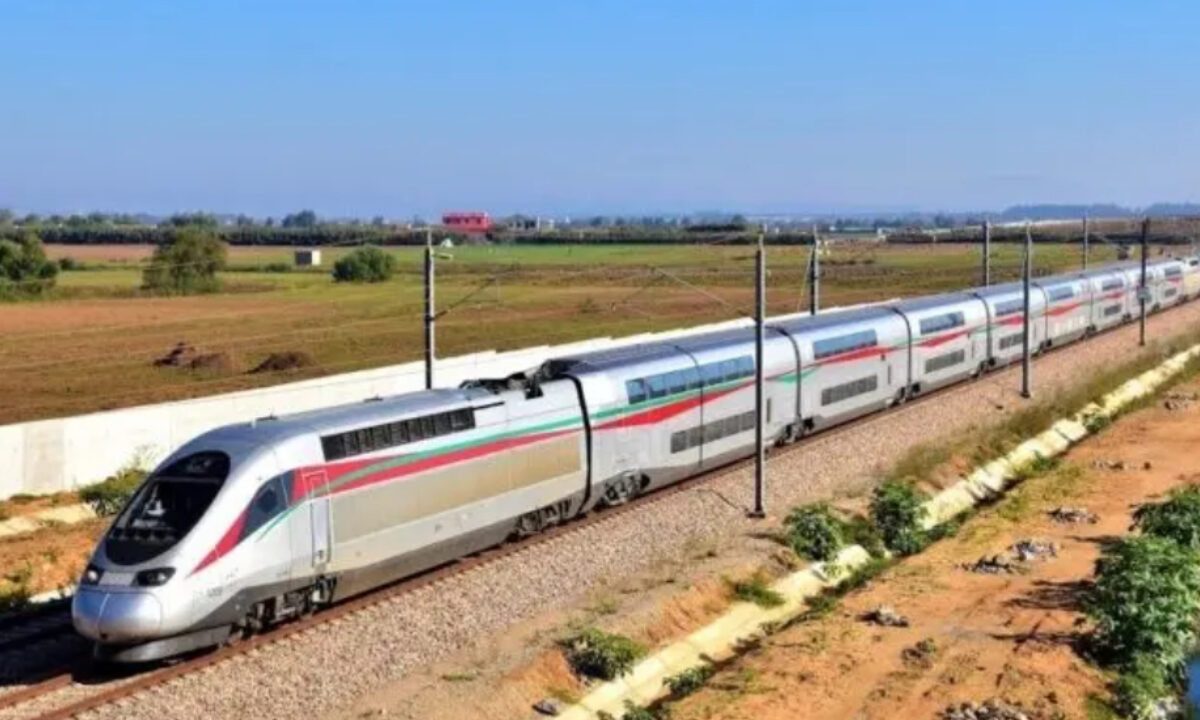 Extension of the Tangier–Kenitra HSR to Marrakesh and Agadir
Status: Studies and preparatory work in progress
Estimated budget: approximately €4 billion for the Kenitra–Marrakesh section
Objective: to connect Tangier, Rabat, Casablanca, Marrakech and then Agadir via a high-speed line
Extension of the Tangier–Kenitra HSR to Marrakesh and Agadir
Status: Studies and preparatory work in progress
Estimated budget: approximately €4 billion for the Kenitra–Marrakesh section
Objective: to connect Tangier, Rabat, Casablanca, Marrakech and then Agadir via a high-speed line
Following the success of Africa's first high-speed rail line between Tangier and Kenitra, Morocco is rolling out a massive expansion programme towards the south. The Kenitra–Marrakesh section is due to be completed before 2030, with a future extension to Agadir. The project includes the construction of new stations, major engineering structures (viaducts, tunnels) and the modernisation of conventional lines.
Project owner:
Office National des Chemins de Fer (ONCF) with the support of the Ministry of Equipment and Water, the Ministry of Finance and the local authorities concerned
Project management assistance (Kenitra–Marrakesh infrastructure):
Egis (France), SYSTRA (France) and Novec (Morocco) consortium, winner of the project management assistance contract for the high-speed line between Kenitra and Marrakech
Supply of rolling stock and international financing:
- Alstom (France): supply of Avelia Horizon (18 high-speed trains)
- CAF (Spain): intercity trains
- Hyundai Rotem (South Korea): urban trains
Concessional financing and loans from partner countries (France, Spain, Korea), in addition to European development banks and lenders
 Mohammed VI Tangier Tech City – Industrial Smart City
Status: Development underway (2024–2030)
Budget (initial phase): approximately MAD 10-11 billion (approximately €1 billion)
Area: approximately 2,000 hectares
Mohammed VI Tangier Tech City – Industrial Smart City
Status: Development underway (2024–2030)
Budget (initial phase): approximately MAD 10-11 billion (approximately €1 billion)
Area: approximately 2,000 hectares
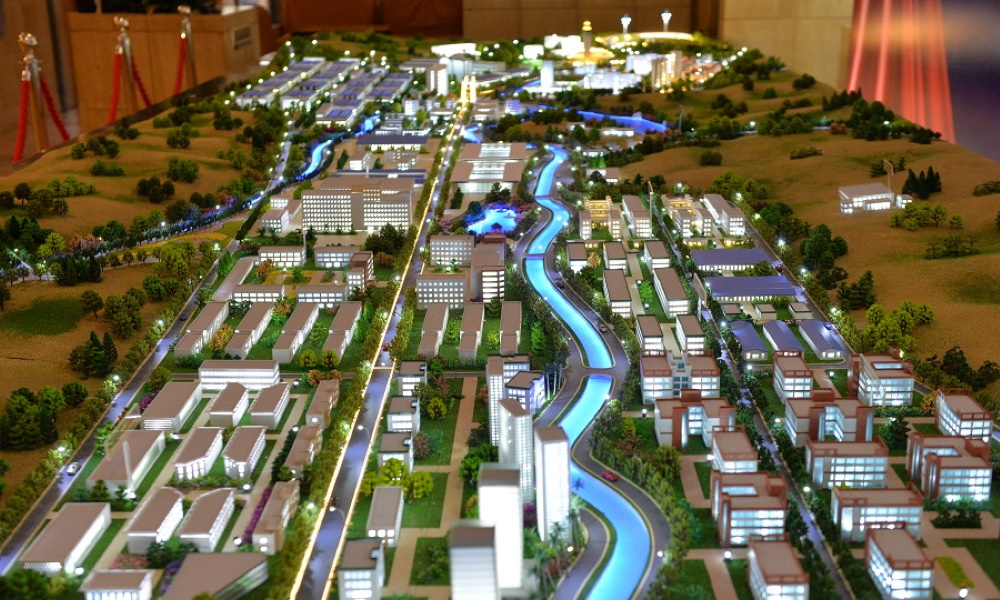
The Mohammed VI Tangier Tech City is an industrial smart city located near Tangier Med. It is designed to host high-tech industries (automotive, electronics, electrical equipment, data centres, renewable energies). The project is part of an integrated factory city approach, with housing, services and logistics infrastructure directly connected to ports and motorways.
Société d'Aménagement de Tanger Tech (SATT):
- Bank of Africa (BOA) – major Moroccan financial partner
- CCCC / CRBC (China Communications Construction Company & China Road and Bridge Corporation) – Chinese engineering and construction groups
- Tangier–Tetouan–Al Hoceima region
- TMSA (Tangier Med Special Agency)
Moroccan ministries and institutions:
- Ministry of Industry and Trade
- Ministry of Economy and Finance
- Ministry of Equipment and Water
- Ministry of the Interior (via local authorities)
International partners:
- Chinese industrial consortiums for the construction and operation of manufacturing zones
- Possible cooperation with European and Asian groups for high-tech factories
 Tangier Grand Stadium – Renovation for 2030 World Cup
Status: Modernisation underway (2024–2026)
Estimated budget: approximately MAD 2.5 to 3 billion
Objective: to bring the stadium up to 2030 World Cup (FIFA) standards
Tangier Grand Stadium – Renovation for 2030 World Cup
Status: Modernisation underway (2024–2026)
Estimated budget: approximately MAD 2.5 to 3 billion
Objective: to bring the stadium up to 2030 World Cup (FIFA) standards
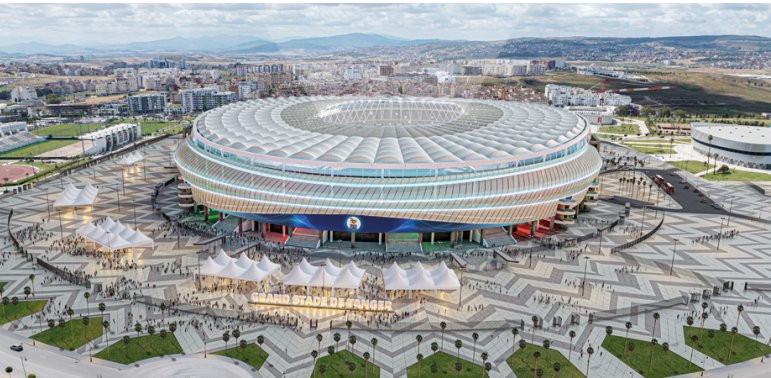
In preparation for the 2030 World Cup (Morocco–Spain–Portugal), the Grand Stade de Tanger is undergoing a major renovation programme: increasing capacity, improving VIP and media areas, modernising the pitch and lighting, creating commercial spaces, and redeveloping car parks and transport links (public transport).
Moroccan public stakeholders:
- Ministry of National Education, Preschool Education and Sports
- Royal Moroccan Football Federation (FRMF)
- Local authorities (City of Tangier, Tangier–Tetouan–Al Hoceima Region)
Design offices and companies:
- Moroccan and foreign design offices specialising in sports facilities
- Moroccan structural and finishing contractors; possible use of European suppliers for sports equipment, access control systems and security solutions
Link with international partners 2030:
Overall coordination with FIFA and the Spanish and Portuguese organising committees
 Port Dakhla Atlantique – Atlantic & Sahara Hub
Status: Work in progress (completion 2028)
Budget: approximately MAD 12.4 billion
Location: Dakhla-Oued Eddahab region (Moroccan Sahara)
Port Dakhla Atlantique – Atlantic & Sahara Hub
Status: Work in progress (completion 2028)
Budget: approximately MAD 12.4 billion
Location: Dakhla-Oued Eddahab region (Moroccan Sahara)
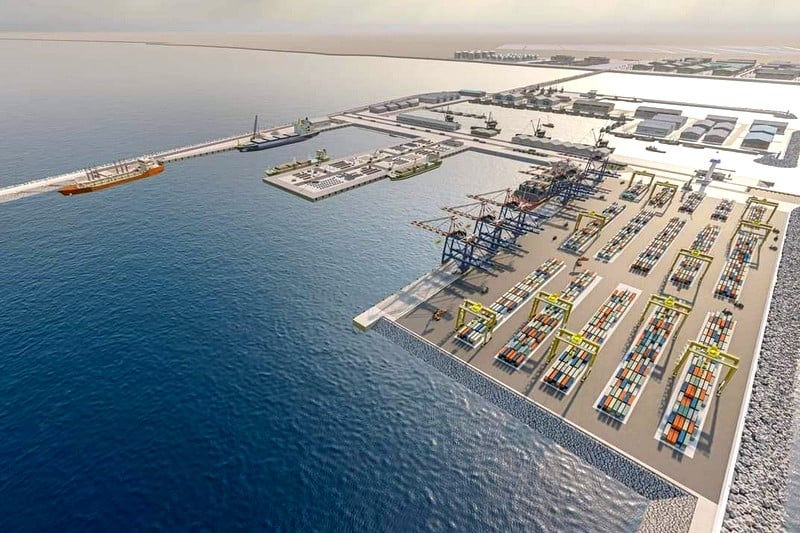
Port Dakhla Atlantique is a megaproject aimed at creating a deep-water port capable of accommodating large ships, with fishing, trade, logistics and, ultimately, renewable energy export (particularly green hydrogen and derivatives) functions. It is part of Morocco's strategy to strengthen its economic ties with West Africa and the South Atlantic.
Project owner:
Ministry of Equipment and Water (Morocco)
Construction companies:
Moroccan consortium SGTM – Somagec Sud, holder of the main works contracts (dykes, quays, basins)
Engineering and surveying:
Moroccan and international offices for impact studies, topographical and bathymetric surveying
International prospects:
Future target: logistics operators, European, African and American shipowners; energy investors in green hydrogen and electricity export projects
 ACC Gigafactory – Battery Factory (Kenitra)
Status: Work planned (2025–2027)
Overall ACC budget (Europe + Morocco extension): several billion euros of cumulative investment
Location: Kenitra region, close to existing automotive ecosystems
ACC Gigafactory – Battery Factory (Kenitra)
Status: Work planned (2025–2027)
Overall ACC budget (Europe + Morocco extension): several billion euros of cumulative investment
Location: Kenitra region, close to existing automotive ecosystems
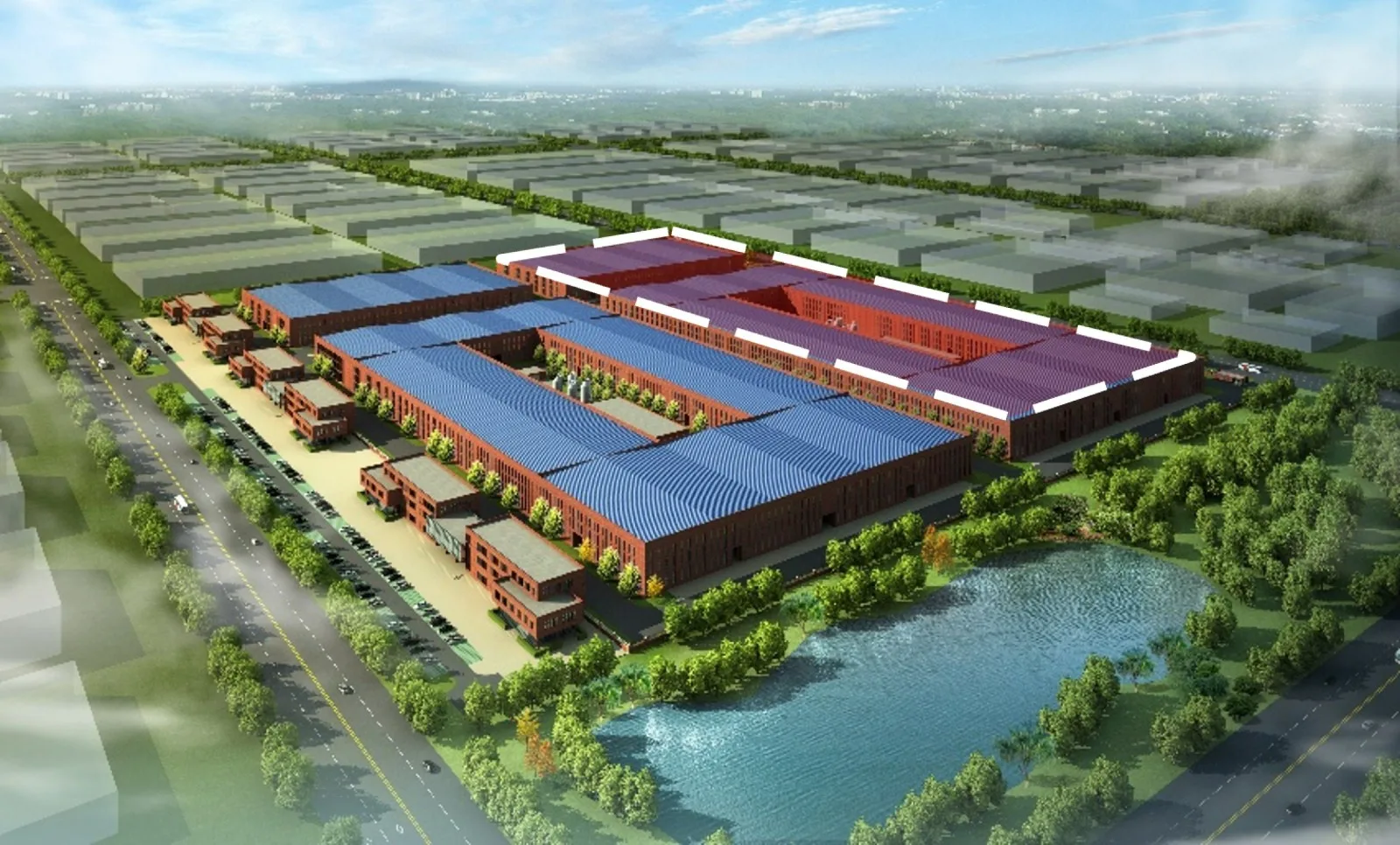
ACC (Automotive Cells Company) is a joint venture specialising in batteries for electric vehicles. Following gigafactories in Europe, ACC plans to set up industrial operations in Kenitra, Morocco, to serve the local automotive ecosystem (Renault, Stellantis, etc.) and the African and European markets.
ACC shareholders:
- Stellantis (automotive manufacturer, Europe)
- Mercedes-Benz (Germany)
- TotalEnergies via its subsidiary Saft (France)
Moroccan partners:
- Ministry of Industry and Trade
- Ministry of Energy Transition
- Moroccan Agency for Investment and Export Development (AMDIE)
- Local authorities in the Rabat–Salé–Kénitra region
Related industrial ecosystem:
Automotive assembly plants (Renault, Stellantis). European and Asian equipment and component suppliers
 New Cities and Urban Developments – Al Boughaz/Chrafate
Status: Progressive development
Area: several hundred hectares
New Cities and Urban Developments – Al Boughaz/Chrafate
Status: Progressive development
Area: several hundred hectares
In the northern region, several new urban centres are being developed between Tangier and Tetouan (e.g. Chrafate, Al Boughaz). These projects aim to respond to population growth and land pressure, while integrating housing, business parks, public facilities and improved transport infrastructure.
Project management and development:
Al Omrane Al Boughaz, public development arm, in partnership with other national companies
International partners:
Participation of international real estate companies and foreign consulting firms, supporting Moroccan stakeholders
Public stakeholders:
- Tangier Urban Agency
- Ministry of National Land Use Planning, Urban Planning, Housing and City Policy
- Local authorities (municipalities, region)
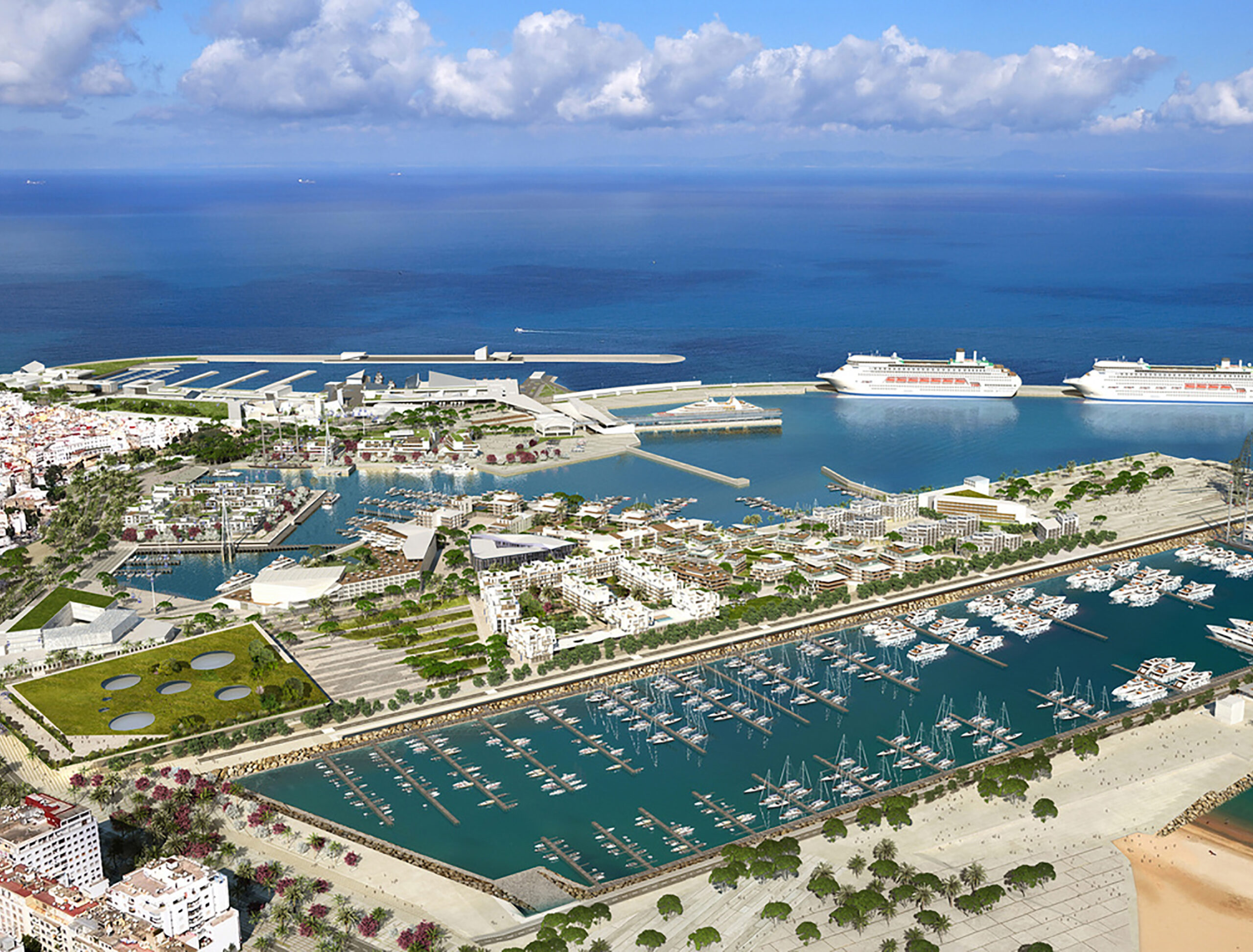 Redevelopment of the Port of Tangier City and Marina
Status: Main phases completed
Area: approximately 160 hectares of redeveloped area
Redevelopment of the Port of Tangier City and Marina
Status: Main phases completed
Area: approximately 160 hectares of redeveloped area
The Tangier City Port redevelopment project is transforming the former commercial port into a multifunctional urban waterfront: marina, cruise terminal, public spaces, cultural facilities and hotels. It accompanies the shift of industrial activities to Tangier Med and opens up the city's seafront to urban and tourist uses.
Société d'Aménagement pour la Reconversion de la Zone Portuaire de Tanger (SAPT):
Company created to oversee the redevelopment, on the initiative of the Moroccan government
Public actors:
- Ministry of Equipment and Water
- Ministry of Tourism
- City of Tangier and Tangier–Tetouan–Al Hoceima Region
Design and architecture:
- International firms such as Reichen & Robert & Associés (France) for the overall redevelopment
- Moroccan designers and engineering firms for urban and landscape integration
Private investors and operators:
Moroccan and foreign property developers and hoteliers. A prime example: Eagle Hills (a subsidiary of Emaar, United Arab Emirates) is developing high-end residential projects in Tangier near the marina (Tanja Alya, Marina Bay)